Jeff Cooper

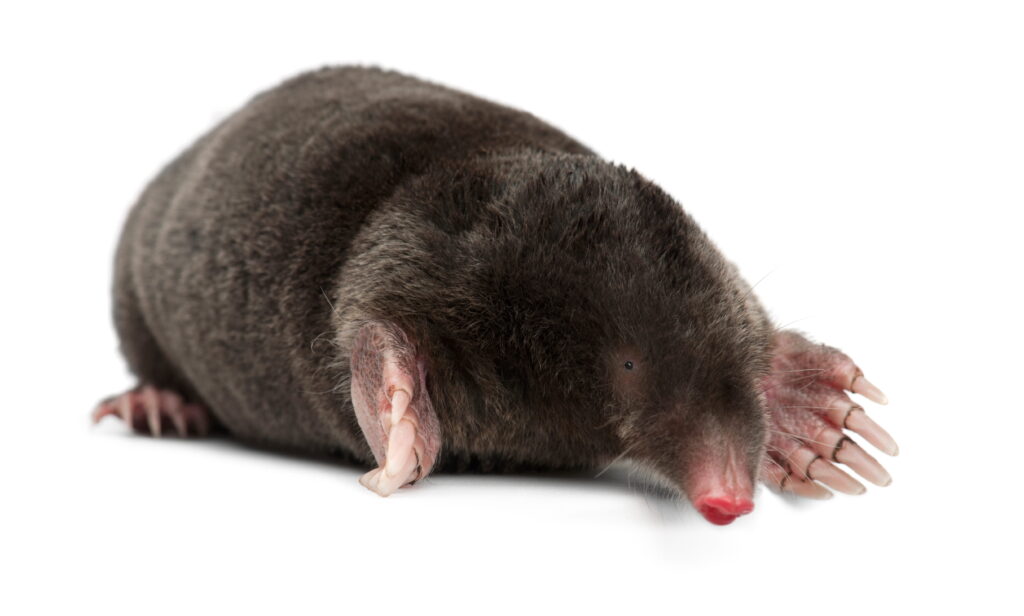
what do moles eat? image

What Do Moles Eat? (And Why It Matters for Your Lawn)

Moles eat earthworms. That’s the short answer, and it’s the one most homeowners don’t expect. The eastern mole, the species behind nearly all residential lawn damage in the Midwest and Eastern U.S., is a strict insectivore. It isn’t gnawing on your tulip bulbs, nibbling grass roots, or digging up vegetable gardens. Earthworms make up 70 […]

What Do Moles Eat? (And Why It Matters for Your Lawn) Read More »

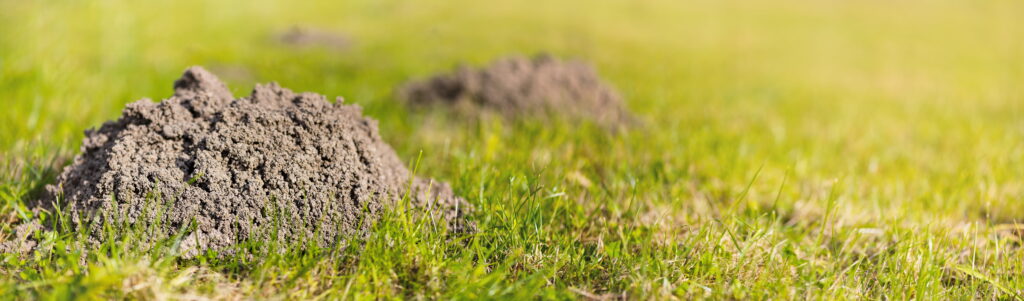
A green lawn with multiple mole hills indicating mole activity.

What Do Mole Holes Look Like? How to Identify Mole Activity in Your Yard

You walk outside, and your lawn looks like a battlefield. Mounds of dirt scattered across the grass, soft ridges running in random directions, and patches of turf that feel spongy underfoot. These are classic signs of burrowing pests, and among all the critters that dig through residential yards, moles are the most likely culprits. Here’s

What Do Mole Holes Look Like? How to Identify Mole Activity in Your Yard Read More »

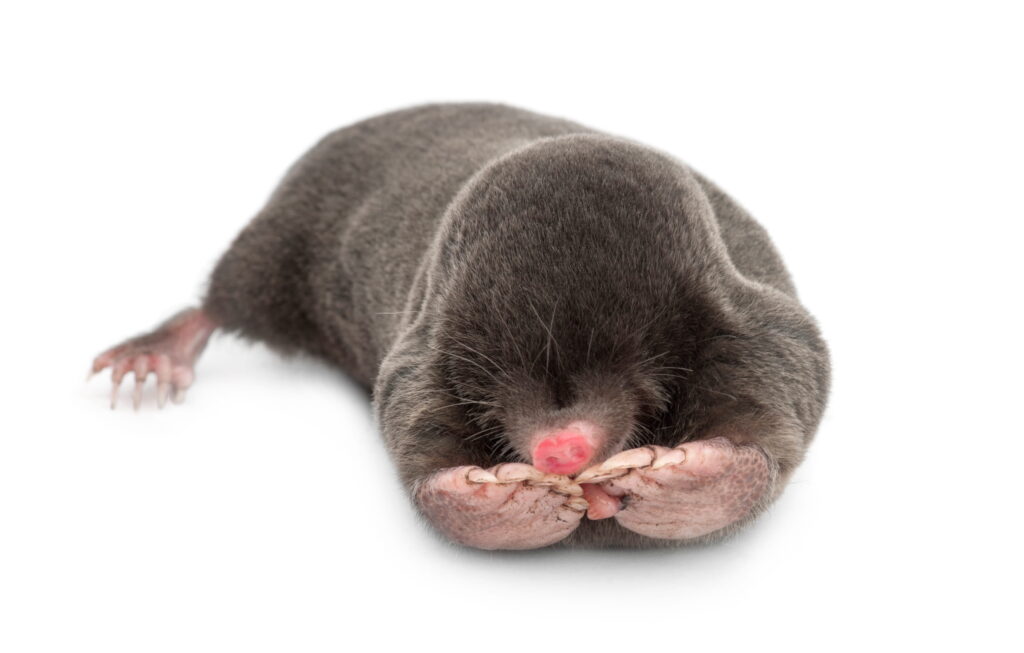
A mole emerging from a burrow in the soil, showcasing its pink nose and large claws.

When Are Moles Most Active? Daily and Seasonal Patterns Explained

Mole damage can seem sudden, often prompting frustrated homeowners to immediately look for proven strategies to reclaim their landscaping. One day, your lawn looks fine, and the next it’s covered in raised ridges and fresh mole mounds. But this activity isn’t random. Moles follow predictable patterns tied to soil moisture, temperature, and food availability. Understanding

When Are Moles Most Active? Daily and Seasonal Patterns Explained Read More »

Close-up of a mole emerging from a mound of soil, highlighting the appearance of this common burrowing pest.

Natural Mole Repellents: What They Can (and Can’t) Do for Mole Problems

Raised ridges crisscrossing your lawn and fresh dirt mounds appearing overnight. Sound familiar? If you’re looking for effective mole control that won’t harm your pets, kids, or garden soil, natural repellents seem like the obvious answer. Here’s what you need to know. Natural repellents work as a gradual but consistent solution that discourages mole activity

Natural Mole Repellents: What They Can (and Can’t) Do for Mole Problems Read More »

Two dark mounds of excavated dirt sit atop a snow-covered lawn, showing evidence of underground activity during the cold season.

Do Moles Hibernate in Winter? What Really Happens Below the Ground

Homeowners often assume moles disappear when temperatures drop. Fewer molehills appear, surface tunneling slows, and the problem seems to solve itself. This is a misconception — and it’s not the only one. Test what you really know with our quick myth vs. fact quiz below. The star-nosed mole is one of several species that remains

Do Moles Hibernate in Winter? What Really Happens Below the Ground Read More »

Ultrasonic Mole Repellent

Ultrasonic Mole Repellents: How They Work (and Why Results Are Mixed)

Ultrasonic mole repellents are marketed as a simple solution for yard damage. Push a device into the ground, let solar power do the rest, and wait for vibrations to drive burrowing pests away. That’s the promise. Reality is more uneven. Homeowners who prefer DIY and natural mole deterrents usually try ultrasonic devices first because they

Ultrasonic Mole Repellents: How They Work (and Why Results Are Mixed) Read More »

A vole in a garden near a small burrow entrance, highlighting the differences between vole and mole activity for lawn protection.

Voles vs. Moles: How to Tell the Difference and Protect Your Lawn

Moles tunnel and eat insects. Voles chew and eat plants. That’s the voles vs. moles question answered in one line. Raised ridges and volcano-shaped dirt mounds point to moles. Worn surface paths and chewed plant material point to voles. Sometimes you’ll see signs of both. Voles will reuse an old mole tunnel as a shortcut,

Voles vs. Moles: How to Tell the Difference and Protect Your Lawn Read More »