No, vinegar does not get rid of ground moles. As a mole deterrent, a vinegar solution pushes activity a few feet over for a few days at most, then the mole comes back or reroutes around the treated patch. If you’ve read a recipe article calling vinegar a natural ground mole deterrent, mole repellent, or ground mole prevention measure, you’re not alone, but the vinegar method has never been tested against an actual ground mole.
Why Vinegar Seems Like It Should Repel Moles
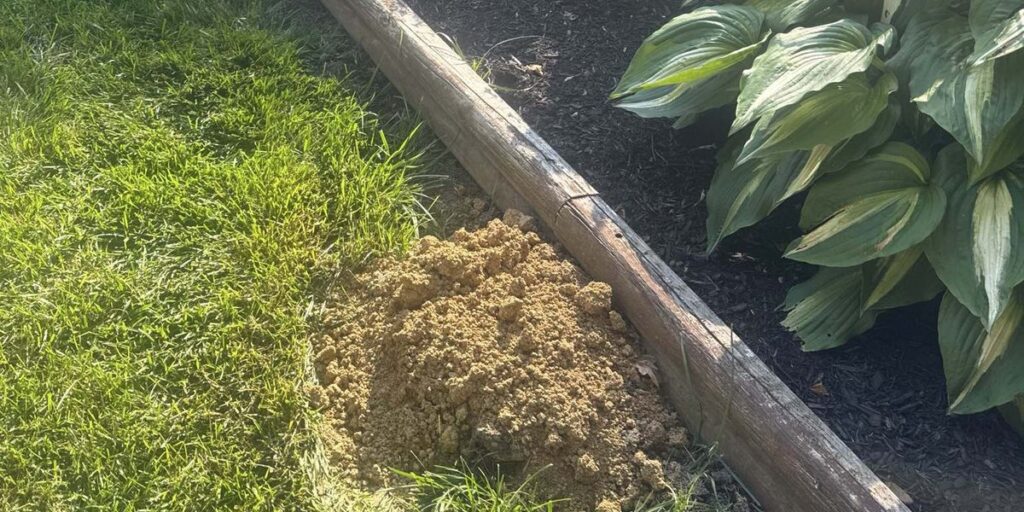
Vinegar has a sharp smell and is acidic enough to strip paint off a countertop, and moles navigate by smell and touch since they’re functionally blind underground. The theory behind deterring moles this way is that vinegar’s acidic properties overwhelm that sense and keep moles from crossing a treated patch.
That logic works on a countertop. It breaks down against a live animal whose tunnel digging can extend up to 18 feet in an hour, with a whole property’s worth of underground tunnels to retreat into.
Does Vinegar Kill Moles, or Just Push Them a Few Feet Over?
Vinegar doesn’t kill moles, and it doesn’t keep them away for more than a day or two, because it never reaches the tunnel a mole actually lives in. Eastern moles dig shallow feeding runs where you notice raised ridges only 1 to 4 inches down. The deep runways they travel and sleep in run lower, from 4 to 12 inches down, with the nest chamber itself sitting at 12 to 18 inches. Only in exceptionally loose soil does a runway push down toward 40 inches, well past where the nest sits.
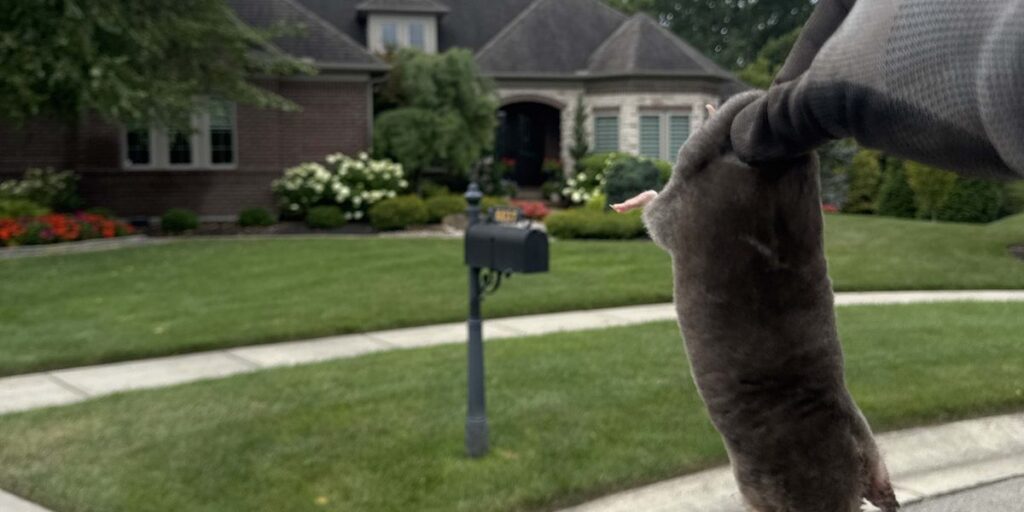
A mole encountering that smell in a shallow tunnel digs around it. The most rigorous test on record makes the point. A University of Kentucky field study tracked a castor-oil product across 43 lawns over two growing seasons and measured a real drop in mole activity on treated lawns. Even then, the damage returned within weeks. Mole activity resumed in about one in five treated plots within six weeks, and at two farm sites where all activity stopped, mole damage came back after a heavy rain. Vinegar has never been tested at that level of rigor, and there’s no study anywhere showing it clears an active mole infestation from a property the way the castor-oil trial briefly appeared to.
In open air the smell is overpowering; 18 inches down through packed clay, it’s nothing.
The Vinegar Method: Ratios You’ve Probably Already Tried
White vinegar advice calls for diluted vinegar, anywhere from a strong 1:1 blend down to a weak 1:5 pour, with 1:3 as the ratio most recipe sites recommend. Some versions add soaked rags or cotton balls pushed into the main mole tunnel. Whatever ratio you use, the vinegar solution still has to reach a tunnel network well below the spray bottle’s reach, and it washes out once soil moisture takes over. Even frequent, thorough reapplication doesn’t change that, since every pour rinses away with the next rain. Cincinnati sees about 42 inches of rain a year, spread across every season, so a treated patch rarely stays dry long enough for the smell to matter.
Apple cider vinegar relies on the same acetic acid mechanism, so it runs into an identical tunnel-depth problem. Getting any real coverage would mean soaking the entire yard with an acid-based material, not just the spots with visible mounds, since a mole’s tunnels run everywhere and it travels the runs you didn’t treat. And soaking the whole yard means acid on every inch of grass you were trying to protect. We see this pattern play out across Cincinnati yards every spring: a full bottle of vinegar gone, and the molehills still there.
Will Vinegar Hurt My Grass If I Pour It Down a Mole Tunnel?
Vinegar’s acidic nature still damages your lawn wherever it touches grass, because acetic acid works as a non-selective herbicide whether or not the product carries an EPA registration for that use. The National Pesticide Information Center, run jointly by Oregon State University and the EPA, confirms that acetic acid breaks down plant cell walls and dries out tissue on contact, with no residue left behind. It doesn’t distinguish between a weed and your fescue.
Household vinegar runs 4 to 6 percent acetic acid, well under the 20 percent or higher found in registered herbicide products. Even at that lower household strength, it yellows grass and kills new seed outright. The cure for your mole problem scorches the turf you’re trying to protect, while doing nothing to the mole tunneling a foot and a half beneath the treated soil.
What Moles Actually Eat in Your Yard
A lot of vinegar advice rests on a mistake: the idea that moles chew through root systems and bulbs. That belief is also why some people think pouring the vinegar solution directly onto the soil protects their favorite landscaping plants from that damage. Moles are burrowing mammals that survive by eating earthworms and insects like grubs, with roots and bulbs rarely appearing in their diet at all. If something is chewing on your bulbs or stems, a different animal is using the mole’s abandoned tunnel, most likely a vole, one of several other pests easily mistaken for a mole.
Moles dig to reach that food source, not because of anything growing in your lawn. The earthworms and insects they hunt love moist soil, which is why peak mole season in Cincinnati lines up with wet spring weather.
Some homeowners try mole barriers, digging a 2-foot-deep trench or installing mesh barriers, hoping to block moles out entirely. None of the home remedies people try before calling us reliably stops one mole from looking for its next meal. Our roundup of natural pesticides and other home remedies for moles covers those methods in depth, including why insect pest control aimed at grubs alone doesn’t solve the problem.
How to Get Rid of Ground Moles with Vinegar (and What Actually Works)
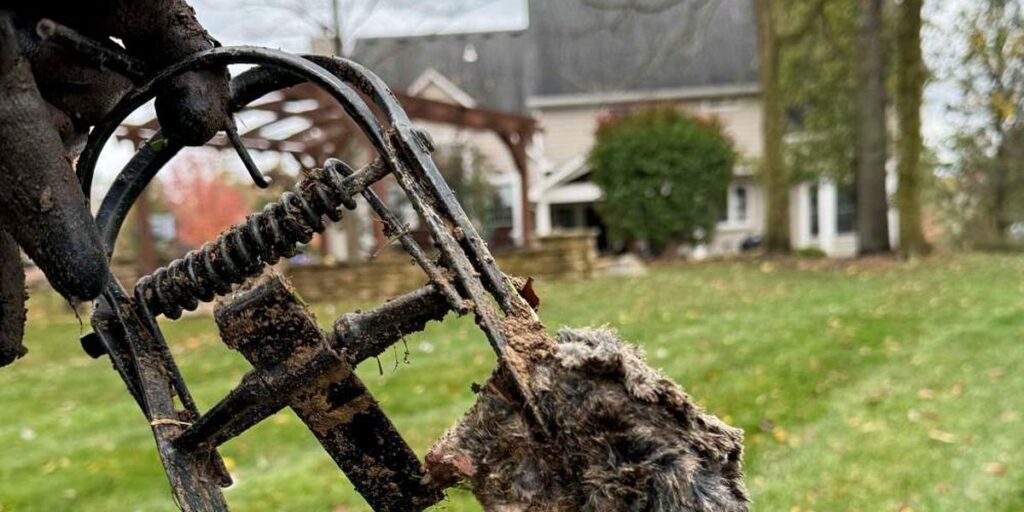
The honest way to get rid of moles is trapping, because a mole trap removes the animal instead of trying to talk it into leaving. A dead mole is proof. A quiet week after spraying vinegar is just hope, since you have no way to know if the mole left or simply moved a few feet over and will be back. Trapping settles that question; it’s the only method proven against a mole that’s already dug in.
| What you get | With a vinegar deterrent | With trapping |
|---|---|---|
| Proof it worked | A quiet week, no way to know why | A caught mole, checked, and reported |
| What happens next | Reapply, or hope | Traps reset until activity stops |
Trapping starts with a free inspection. We walk the yard and find the active tunnels first, then set traps below the surface, with no chemicals or bait near your kids or pets. A tech checks the traps every 5 to 7 days and clears anything caught, then sends a photo report so you know the mole issue is solved instead of guessing.
"Reasonable price. I called last week. They had someone out setting up Traps same day within a week caught three moles. They send you a detailed assessment after every visit with pictures included, highly recommend!"
If You Want to Try Vinegar to Prevent Ground Moles First
Go ahead and try the vinegar route before calling anyone. You're not doing anything foolish, and there's no lecture here; just avoid spraying it directly onto flower beds, shrubs, or other sensitive plants you want to keep, since the acid burns those just as fast as it burns grass. Watch the 10 feet around wherever you emptied the spray bottle. New molehills appearing there within a few days mean the mole found greener pastures in another patch of your own yard rather than leaving.
When you're done experimenting and want a straight answer, reach out for a free mole inspection. Call (513) 613-2289 whenever you're ready.