You’ve already tried. Maybe it was a scissor trap from the hardware store, or a harpoon style you found on YouTube. You set it carefully, checked it the next morning, and found it either sprung empty or untouched. Now there are two new ridges where there was one, and you’re starting to wonder whether traps even work on the moles wreaking havoc in your yard.
They do work. The problem rarely comes down to the trap itself. It comes down to where you put it and what happened the first time.
Why DIY Mole Traps Fail at Mole Control
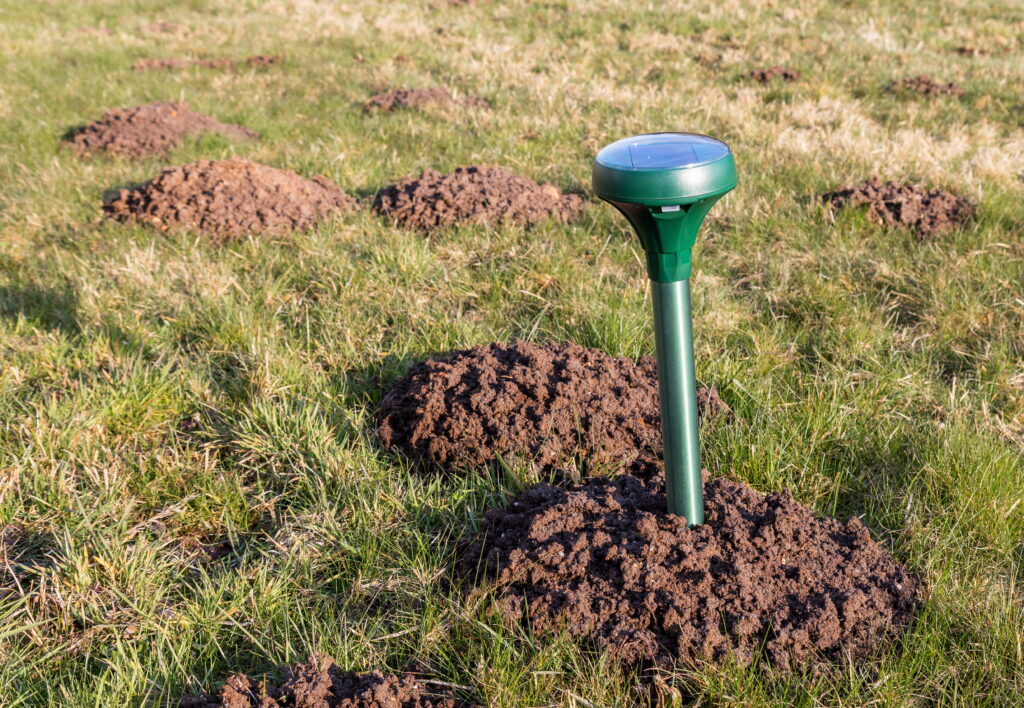
Mechanical traps are the right approach for getting rid of moles in your lawn or garden. Other methods fall short because moles are obligate insectivores that eat almost exclusively earthworms, grubs, and other soil invertebrates. These are abundant food sources that draw them to yards with rich, healthy soil. Toxic poisons and grain-based products are ignored entirely. Federal pesticide regulators document exactly why outdoor chemical products fail to address mole infestations and the hazards they create when misused. When traps don’t catch anything, the failure is almost always about placement or timing, not the equipment.
You Probably Targeted the Wrong Tunnel

Moles build two completely different types of mole tunnels, and most homeowners set traps in the wrong one.
The ridges rising across your turf are shallow surface tunnels, dug two to four inches below the soil surface. Moles use these while hunting earthworms and grubs, then mostly abandon them when the local food supply runs out. The mole damage they cause can sever grass roots and damage plant roots in nearby garden beds. Below those, anywhere from 6 to 18 inches down depending on soil conditions and time of year, are the deep underground tunnels, the daily travel routes connecting the nest to feeding zones across the yard. Deep runs leave no surface ridges. The only visible clue is the molehill, which is just an exit point for excavated dirt, not an active travel route.
Setting a trap in a spent feeding ridge or on a molehill is the single most common DIY mistake. A good trap in the wrong tunnel catches nothing. Our guide on telling an active run from an abandoned one covers exactly what to look for before you set anything.
What this means for your lawn: Don’t trust your eyes. The most active part of the tunnel network is invisible from the surface.
One Misfire Changes Everything
A mole that survives a trap attempt learns from it.
When a trap fires but doesn’t secure the animal, the mole registers the full experience: the mechanical snap, the metal smell, the faint scent of whoever set it. The cluster of pressure-sensitive nerve sensors on a mole’s snout, known as Eimer’s organ, processes those details, and the animal adjusts accordingly.
From that point on, the mole is what trappers call “trap-shy.” On its next approach, it either packs soil into the trigger to jam it or digs a tight detour around the jaws. Each failed attempt made it harder to catch.
Not Enough Traps for the Network
One trap is rarely enough. A typical Ohio yard with an active mole problem has more tunnel footage than most homeowners realize. In the loose soil and heavy clay conditions common around West Chester, Mason, and areas east of Cincinnati, moles tend to build an extensive network well before the first ridges appear on the surface. Two or three traps set in different live runs simultaneously is the approach that produces long-term success.
Wrong Time of Year for Mole Activity
Timing is the failure reason nobody talks about. In Ohio, moles are most active in spring and fall when healthy soil moisture stays high and earthworms are near the surface. Catch rates drop significantly in mid-summer when the soil dries out, and worms push deeper. Trapping during a dry stretch often means targeting active tunnels the mole isn’t currently running.
What Effective Mole Control Actually Looks Like in Practice
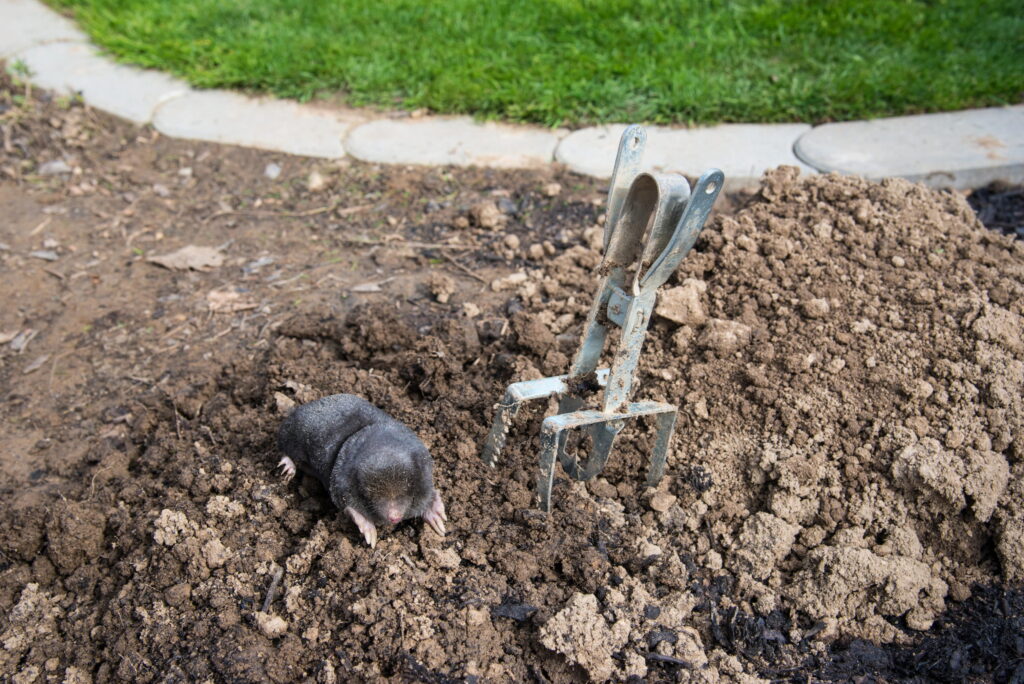
Some people do catch moles on their own. The ones who succeed almost always do these three things right.
The Activity Test: Do This Before You Set Anything
The activity test is simple. Find a section of surface ridge and press it flat with your foot. Mark the spot. Come back in twenty-four hours. If the tunnel has been pushed back up from below, it’s active. If it’s still flat, the mole has moved on. Test another section.
This takes one minute and tells you which active tunnels are worth targeting. It’s the single most important step in setting a trap that actually catches something.
Target Deep Runs, Not Mounds or Ridges
Once you’ve confirmed a live tunnel, trace it toward the deep permanent run underneath. The shallow run that tested positive likely connects to something deeper, especially if it runs in a relatively straight line rather than wandering erratically.
Set the trap in the confirmed active section, not on a molehill. The mole doesn’t travel horizontally through the mound. It pushes up and exits there. Bed the trap firmly into the tunnel floor. An unstable trap can misfire or alert the mole before it reaches the trigger.
Wear Gloves and Reduce the Food Supply
Moles have a sharp sense of smell. Human scent on the metal is enough to trigger avoidance. Wear gloves every time you handle a trap, from the first time out of the packaging to every reset.
Avoid overwatering your lawn. Saturated soil pulls earthworms toward the surface and increases the food supply that drives moles to dig. Hardware cloth buried up to two feet deep can protect specific garden beds from mole damage to plant roots, though it won’t drive moles off the property on its own.
DIY vs. Professional: A Realistic Comparison
| Scenario | DIY Outcome | Why It Matters |
|---|---|---|
| Trap set in active deep run | Good chance of success | Deep runs are used daily |
| Trap set in surface feeding tunnel | Low success rate | Most surface runs are already abandoned |
| Trap set on a molehill | Zero chance | Molehills are dirt exits, not travel routes |
| One misfire has already occurred | Mole is now trap-shy | Each attempt after makes the next harder |
| Multiple traps in confirmed runs | Highest DIY success rate | Covers the tunnel network simultaneously |
Not sure which scenario describes your yard? Getting a direct read from someone who traps moles for a living is the fastest way to know where you stand before spending more time or money on equipment.
Do Humane Mole Traps Work?
A humane mole trap, such as a pitfall bucket or a wide-mouth jar placed vertically in a confirmed active tunnel, is a non-toxic option for removing moles without lethal force. These live-capture designs are worth trying, but pitfall-style trapping is more labor-intensive than lethal mechanical traps, and success rates are lower. Correct placement in a live run is still the deciding factor.
Keep Moles Out for Good: When DIY Trapping Stops Making Sense
If a trap has already misfired once, stop.
A mole that survived a misfire is now educated. It knows what a trap feels like, what it smells like, and how to avoid it. Getting that animal requires a level of placement precision that functions as a genuine mole deterrent only when executed correctly, and that takes real experience to develop.
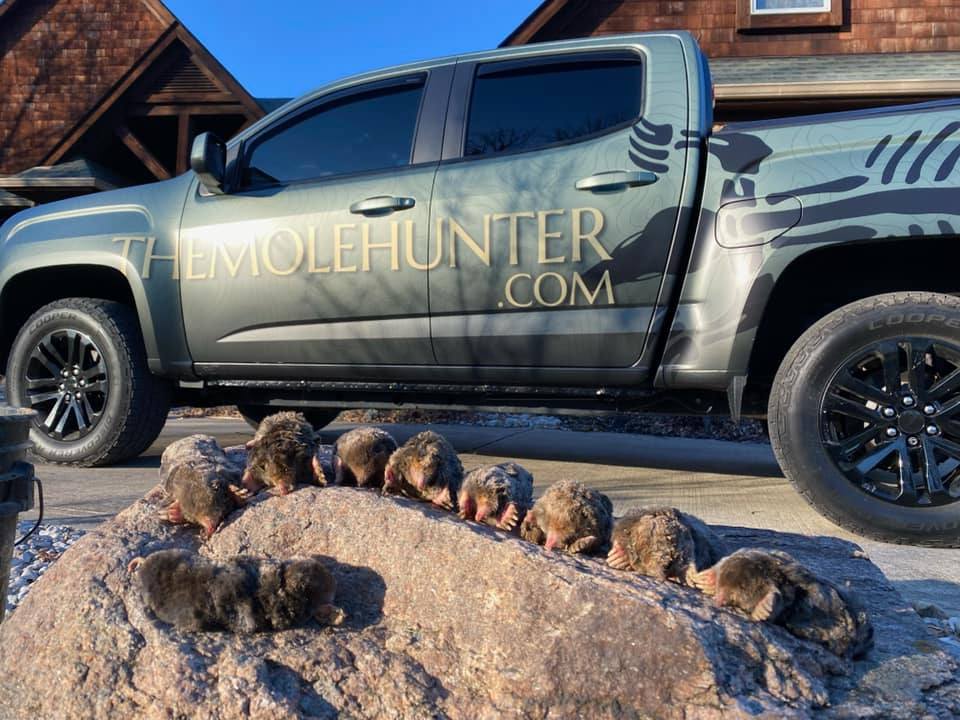
I’ve been trapping moles in Greater Cincinnati for over two decades. I started learning the craft in 1995 while managing turf at a local country club, where protecting valuable ground meant getting it right the first time. When I step onto a yard in Cincinnati, Loveland, Milford, or Lebanon, I’m reading soil conditions and mole activity patterns that take years of on-the-ground work to interpret accurately.
If you’ve set traps and gotten nothing, or if a mole survived an attempt earlier in the season, removing that mole from your yard is now significantly harder than when you started. The fastest path to reclaiming a beautiful, healthy lawn is getting someone out there who reads yards for a living.
What Homeowners Are Saying
⭐⭐⭐⭐⭐
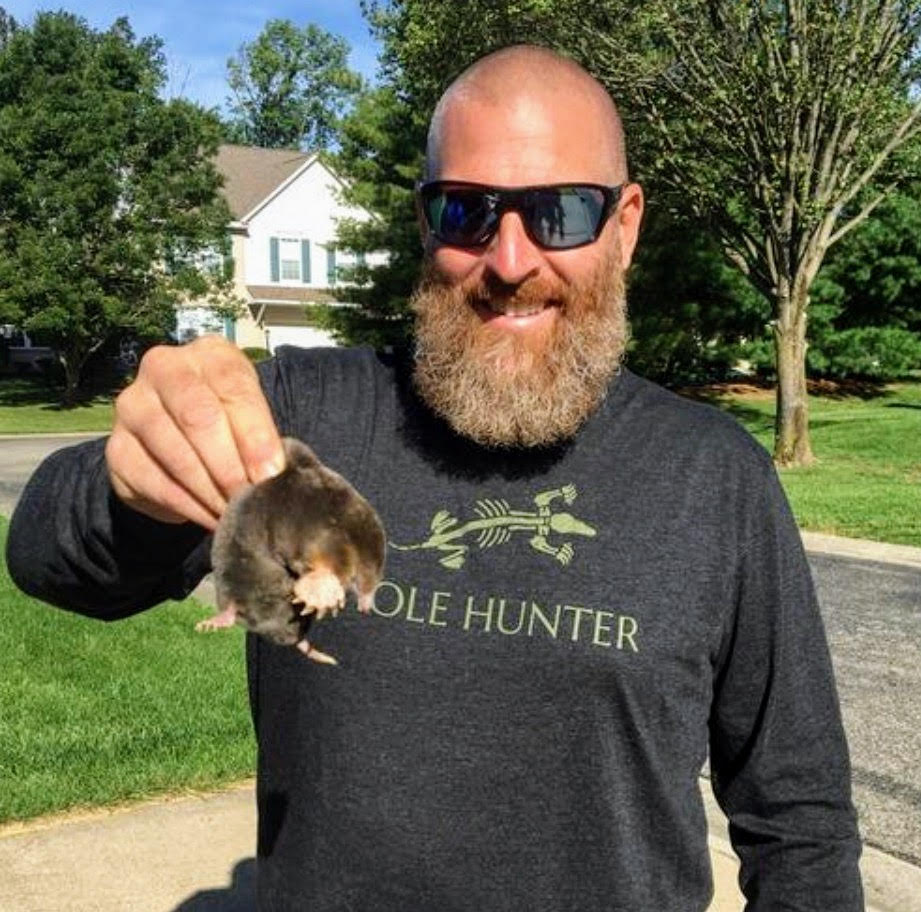
“I recently hired the mole hunter for mole trapping. I have spent countless money and time on traps, product, watching you tube videos trying to learn their behavior and what works best etc… while they continued to QUICKLY take over our lawn and flower beds. THE MOLE HUNTER was recommended by my yard service company and they were extremely responsive to my call. Jeff came out the next day, explained process to my husband and I, looked at our yard, set traps, etc… I am thoroughly impressed with the quick response to our need. We have 16 traps and first day caught this one. I suspect many more will be trapped.
If you’re struggling with moles and just can’t get ahead of the destruction they are causing, I highly recommend giving The Mole Hunter a call.”
Stop cycling through failed methods. Call me today at (513) 654-5079 or schedule an on-site assessment and get a proven action plan.
Frequently Asked Questions
How many moles are actually in my yard?
Usually just one. Moles are highly territorial small mammals that live alone, and most yards have a single animal working the tunnel network. If you’re seeing extensive damage across a large area, it’s nearly always one mole covering a lot of ground, not a mole population. That said, adjacent territories can overlap in yards that span multiple soil zones, so catching one animal doesn’t automatically mean the job is done. Confirm the specific tunnels causing active mole damage before calling it finished.
What kind of trap is most effective for DIY mole removal?
The trap type matters less than placement. Scissor-jaw and harpoon traps are both widely used and reliable when set correctly in a confirmed active deep run. The trap you can set most securely and consistently is the right one for your yard. A wobbly, poorly bedded trap in the right tunnel will misfire and educate the mole. A mid-range trap set firmly in the right tunnel catches it.
My neighbor used a certain brand of trap, and it worked. Should I use the same one?
The brand matters less than placement. A mid-range scissor trap or harpoon trap from a farm supply store will catch moles when set in the right tunnel. The same trap in the wrong tunnel catches nothing. If your neighbor succeeded, it’s more likely they targeted an active run than that they found a superior product. Focus on tunnel identification first, and use whatever trap you can set correctly and securely.