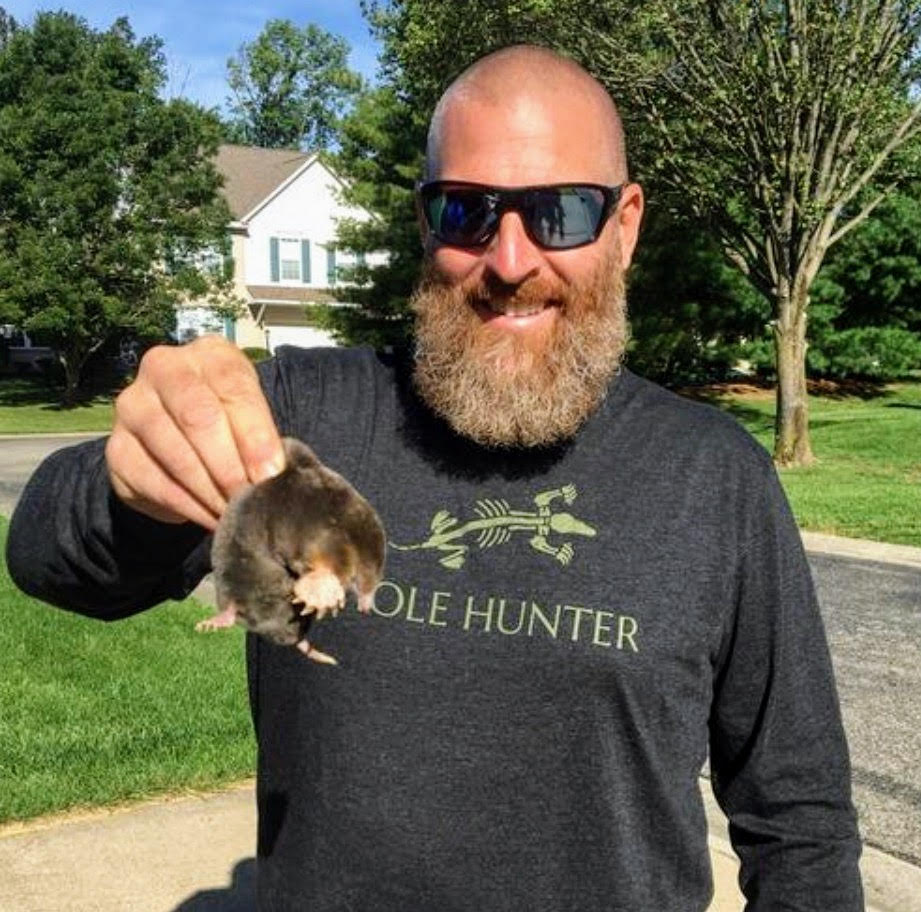
You stepped on a soft spot in the lawn, tracked down a fresh mound, and now you are wondering whether digging around in that tunnel is going to cause problems or if these cornered wild mammals pose a physical threat. Maybe your dog dropped a dead mole on the patio. Either way, the health question is real, and it deserves a straight answer.
Moles passing diseases directly to humans is extremely rare. The indirect risks are lower than most people think, but they are not zero. Here is what actually matters.
Rabies and Moles in Ohio: Stop Worrying About This One
Rabies is usually the first fear when people find wildlife in the yard. For homeowners in Mason, Anderson Township, or anywhere across the Cincinnati area who have just spotted a fresh tunnel, the idea of rabies in moles comes up constantly. The answer is the same every time: set that fear aside.
Health & Safety Fact
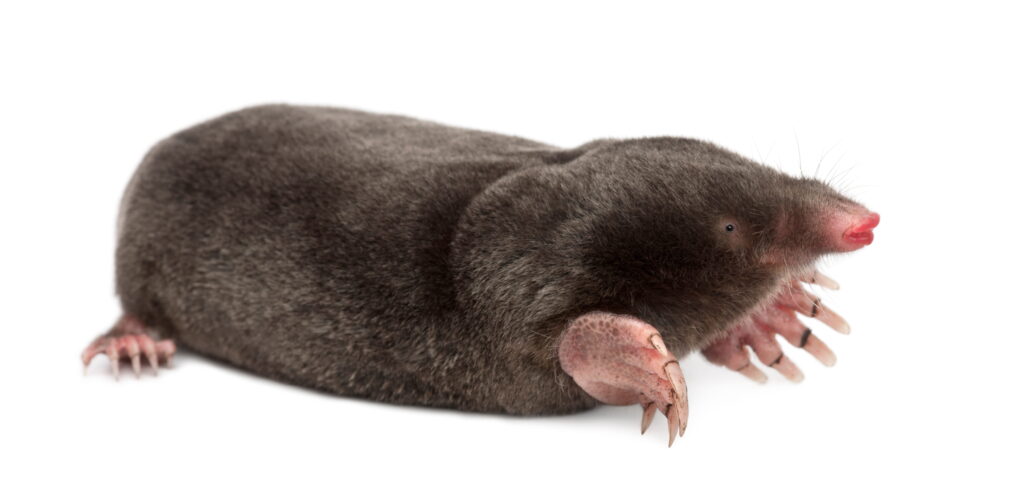
According to the CDC, the animals that drive rabies risk in the US are bats, raccoons, skunks, and foxes. Their underground lifestyle keeps them completely removed from the larger animals on that list. Contracting rabies from a mole is about as close to impossible as wildlife risks get. Rabies is off the table.
The Real Health Risks: What Moles Actually Carry
Moles themselves are not major disease carriers. The real risks come from what they carry on them and what survives inside their tunnel systems.
Ticks, Fleas, and Lyme Disease
Moles carry ticks and fleas in their velvety fur. As burrowing animals tunnel through your yard, those parasites end up in the soil inside mole tunnels.
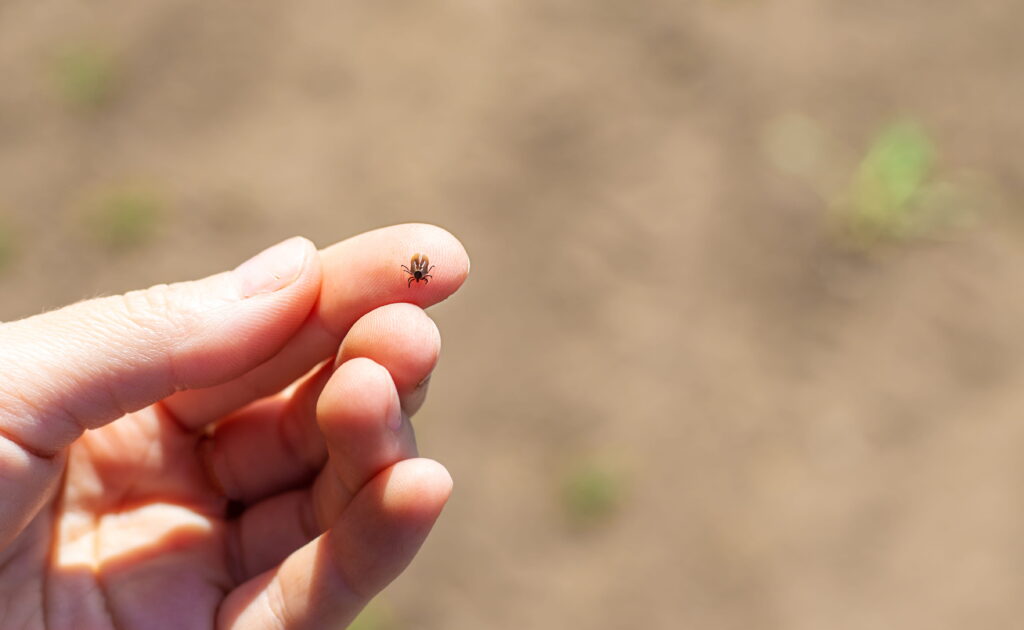
Tick populations across Ohio have risen steadily over the past decade. The black-legged tick, which is the main carrier of Lyme disease in Ohio, has spread across much of the state. Ticks in mole tunnel areas can also transmit anaplasmosis (a tick-borne illness that causes fever and fatigue) and Rocky Mountain spotted fever (a bacterial infection spread by tick bites).
If you dig into mole tunnels without gloves or let your dog sniff the raised ridges in your lawn, you raise your chances of picking up whatever lives in that soil. The safest move is to avoid touching mole soil or moles entirely until the problem is handled.
What this means for your yard: Any yard with active mole tunnels is a spot where tick risk goes up, especially in spring and fall. Keep kids and pets away from raised tunnel ridges, and be mindful of how extensive burrows near your foundation might impact your property.
Leptospirosis in Moist Soil
Leptospirosis (a bacterial infection that can cause fever, muscle pain, and in serious cases, organ damage) is another indirect risk tied to mole activity. Moles spread the Leptospira bacteria through their urine, and it can stay alive in wet soil for weeks or even months.
You can pick it up if contaminated soil touches a cut or open wound on your skin. Most people only remember the cut on their hand once the dirt is already under their nails. If you have a small cut and you are reaching into a wet tunnel in March, you have put yourself at risk. The risk is low, but it is entirely avoidable.
What this means for your yard: Always wear gloves when digging near mole tunnels, especially after rain. Even a small, forgotten cut is enough of an opening.
What to Do If You Find a Dead Mole
Do not pick it up bare-handed. Avoid contact entirely until you have gloves on. When an animal dies, the fleas and ticks on it immediately go looking for a new host, and that host could be you or your pet. Use heavy gloves, seal the carcass in a bag, and throw it away. Wash your hands well after, even with gloves on.
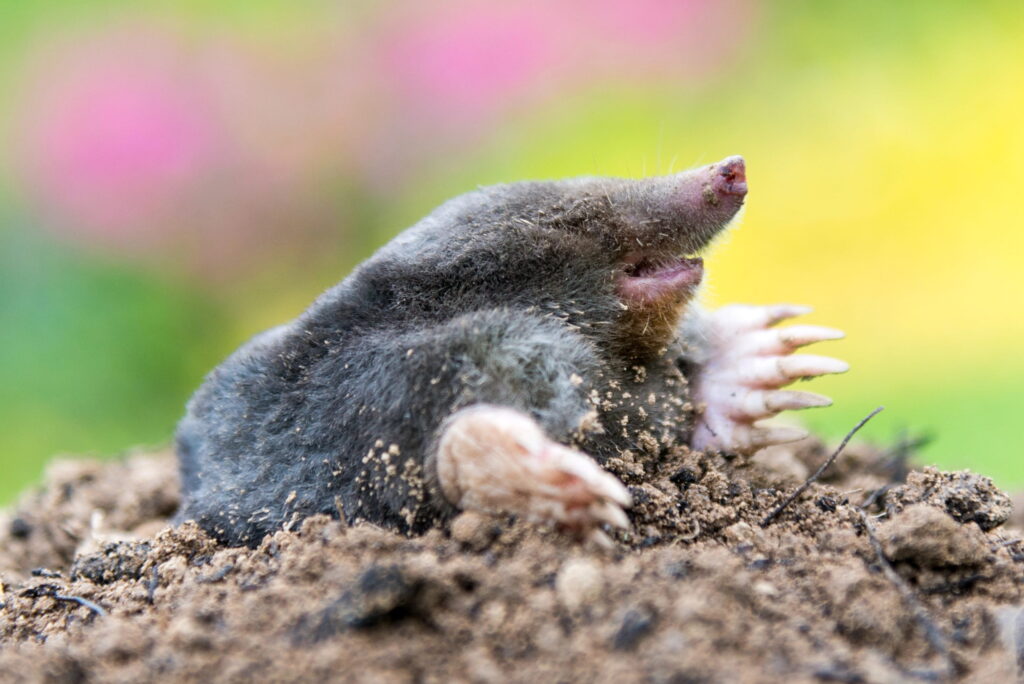
If your dog was involved, check for ticks and watch for gastrointestinal symptoms (stomach pain, vomiting, or diarrhea) over the next few days. If you had a cut on your hand while digging in tunnel areas, wash up well and see a doctor if flu-like symptoms show up within a week or two. Leptospirosis is treatable when caught early.
Mole Disease Risk at a Glance
| Risk | Likelihood | Key Detail |
|---|---|---|
| Rabies transmission | Essentially zero | No documented cases; moles live underground, away from rabies carriers |
| Tick and flea exposure | Low to moderate | Rises during Ohio’s spring and fall peak mole seasons |
| Lyme disease via ticks | Low | The black-legged tick range is growing in Ohio; relevant near tunnel areas |
| Rocky Mountain spotted fever | Low | Present in Ohio tick populations |
| Leptospirosis via soil | Low | Requires broken skin contact with wet, contaminated soil |
| Infection from a mole bite | Very rare | Moles rarely bite; standard wound care applies |
Eastern Moles and Why Cincinnati Gets Hit Hard
The eastern mole is the primary culprit behind most Ohio lawn damage. Though understanding the different types of subterranean mammals found across the country can help explain why the soil conditions throughout the Cincinnati area make it a near-perfect habitat.
Heavy clay soil holds moisture just below the surface, which pushes earthworms up near the top. Moles love this because earthworms are their main food source. This is why yards in Mason, Loveland, and across Greater Cincinnati tend to get hit harder than most.
Peak mole activity runs from March through May and again from September through October. Recognizing the seasonal weather patterns that trigger increased digging is crucial, as these are the wettest months in Southwestern Ohio, when mole populations are most active, and homeowners are spending the most time outside stepping on soft spots and digging around tunnels. Those tunneling habits create loose soil and uneven ground across lawns, tear up flower beds, and damage root systems. The best time to address mole problems is before the tunnel network grows.
Moles vs. Other Pests: Keeping the Risk in Perspective
A lot of homeowners assume moles carry the same disease risks as rats and mice. Mice and rats get into homes, contaminate food, and spread Hantavirus (a serious lung virus) and Salmonella (a common stomach illness). Moles are fundamentally different, and you rarely have to worry about these yard pests finding their way into your basement or living spaces. They are strictly outdoor, subterranean insectivores (underground worm and insect eaters). They do not eat plants and do not come indoors. Because they stay outside, their direct health risk to people is much lower than most pests homeowners deal with.
That said, mole tunnels can attract rodents and other animals that use those tunnels as shortcuts through your yard. Mice and rats carry Hantavirus and Salmonella, spreading disease in ways moles never would.
Why Professional Trapping Beats DIY Methods
While many frustrated homeowners rush to find proven strategies to reclaim their landscaping, DIY methods often fall short because they deal with surface damage without getting rid of the actual animal. Traps set in the wrong spot get ignored. DIY poisons can cause the animal to die underground, leaving a rotting carcass for pets to find before you do.
I am Jeff Cooper, and I have been trapping moles in the Cincinnati area since 1995. I started at a local country club, where I first learned to catch moles by hand and built practical skills that no class can teach. Trained at Rutgers University and certified in Golf Turf Management, I provide expert, hands-on intervention to clear your property with a level of knowledge that a general pest control service just cannot match.
I take care of everything from trap placement to carcass removal, so you never have to touch the problem. For anyone ready to get rid of moles for good, professional mole control starts with a free inspection.
Frequently Asked Questions About Moles
Do moles pose a health risk to humans and pets?
Moles themselves are low risk. They do not enter homes, rarely bite, and are not primary disease carriers. The risk comes from what they carry. Ticks and fleas from moles can spread Lyme disease and other infections. Mole urine can also leave Leptospira bacteria in the soil. Keeping pets away from mole tunnel areas in spring and fall is a smart move.
Are moles dangerous, and can they bite?
Moles can bite in rare cases, but they are shy animals that spend almost all their time underground. If bitten, clean the wound with soap and water, put on an antiseptic, and see a doctor if the wound is deep. The real concern is not rabies. It is the standard infection risk that comes from any animal bite that breaks the skin.
How do I get a free inspection for mole control?
I offer free inspections throughout the Cincinnati area. A quick look at your yard shows how active the mole problem is and sets up a clear plan to fix it before things get worse. For more details on what the inspection process involves, The Mole Hunter’s FAQ covers the most common questions homeowners ask before booking.