Mole damage can seem sudden. One day, your lawn looks fine, and the next it’s covered in raised ridges and fresh mole mounds. But this activity isn’t random.
Moles follow predictable patterns tied to soil moisture, temperature, and food availability. Understanding those patterns makes it much easier to spot mole presence early and respond at the right time.
Homeowners usually want to know two things: when moles are most active during the year, and what time of day moles are most active. Both are worth understanding.
When Are Moles Most Active During the Year
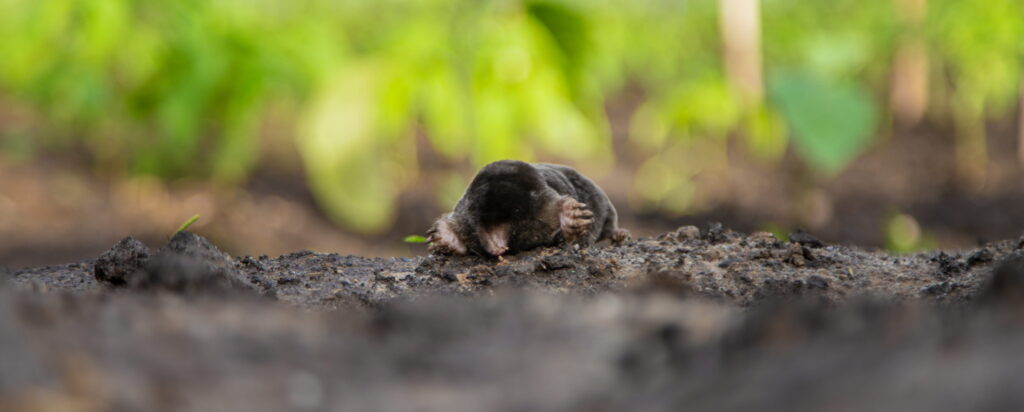
Moles stay active year-round and do not hibernate. Their activity shifts with the seasons based on soil conditions and food sources, but there is no period where they simply stop.
Spring
Spring is one of the busiest periods. As the soil thaws and becomes moist, tunneling becomes easier, and earthworms move closer to the soil surface, creating abundant food sources.
Late winter to early spring is mating season, typically running from February through April, which pushes moles to tunnel more widely in search of mates. Fresh mole hills, new surface tunnels, and expanding underground tunnels across lawn areas are common signs during this time. In many cases, the first visible signs of moles in your yard appear during early spring.
Summer
Summer activity depends heavily on moisture. Hot, dry conditions make soil harder to dig through, so moles spend more time underground in deep tunnels where the ground stays cooler and damp.
Surface activity slows, and mole damage may appear to pause. Regular irrigation or rainfall can keep moles active near the surface throughout the warmer months.
Fall
Fall brings a second surge. Cooler temperatures and increased moisture create favorable conditions again. Moles reinforce existing burrow systems, expand tunnel networks, and prepare for winter.
New tunnels can appear quickly during this period. Moles are capable of digging up to 18 feet per hour and adding as much as 150 feet of new tunnels in a single day.
Winter
Winter keeps moles active but hidden. According to the University of Kentucky Cooperative Extension Service, moles simply dig deeper to escape the cold while continuing to feed with a ravenous appetite. Surface activity drops off significantly, but feeding continues, and deep tunnels remain in regular use throughout late winter.
What Time of Day Are Moles Most Active
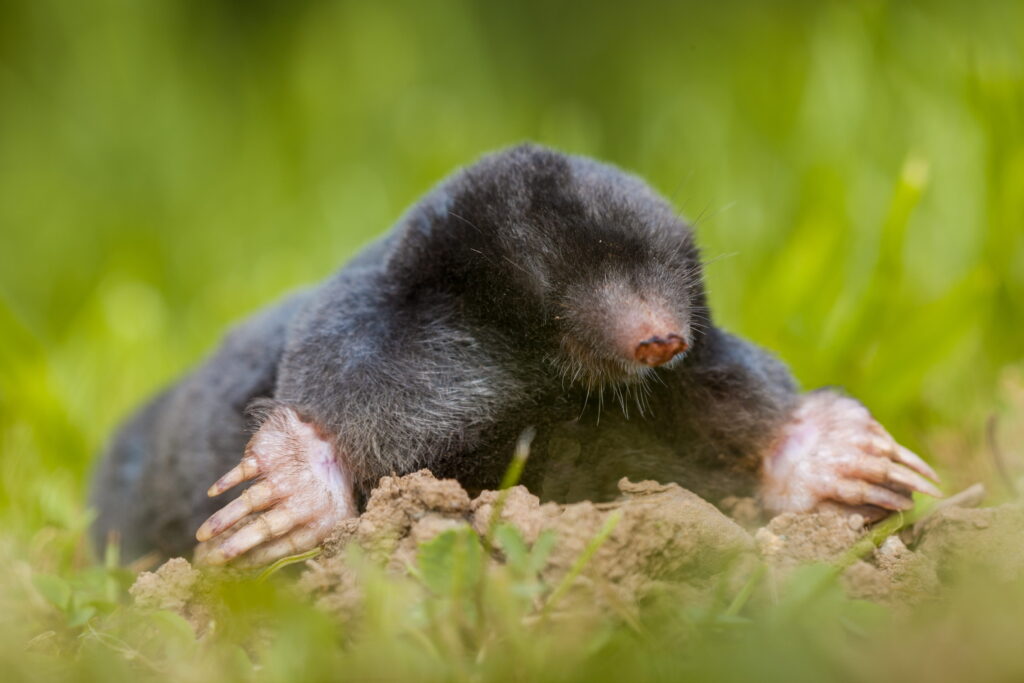
Moles are active during the day and at night, but they don’t follow a strict schedule tied to either. Activity peaks in the early morning and late evening when the soil is cooler and moister, making tunneling easier and pulling food sources closer to the surface.
Moles typically feed or tunnel for three to four hours at a stretch, so the same tunnels may be used several times throughout a 24-hour period. Many homeowners spot new mole tunnels in the morning because overnight activity creates fresh surface runways that become more visible as soil settles.
Why Mole Activity Often Appears After Rain
A burst of fresh mole mounds after a storm is one of the most recognizable signs of mole activity. Moist soil is easier to move through, earthworms migrate toward the surface, and existing tunnel systems shift in ways that make them more apparent.
Rainfall is one of the most predictable windows for spotting mole problems in your yard, and one of the better times to act on mole control while activity is elevated.
Signs That Moles Are Currently Active
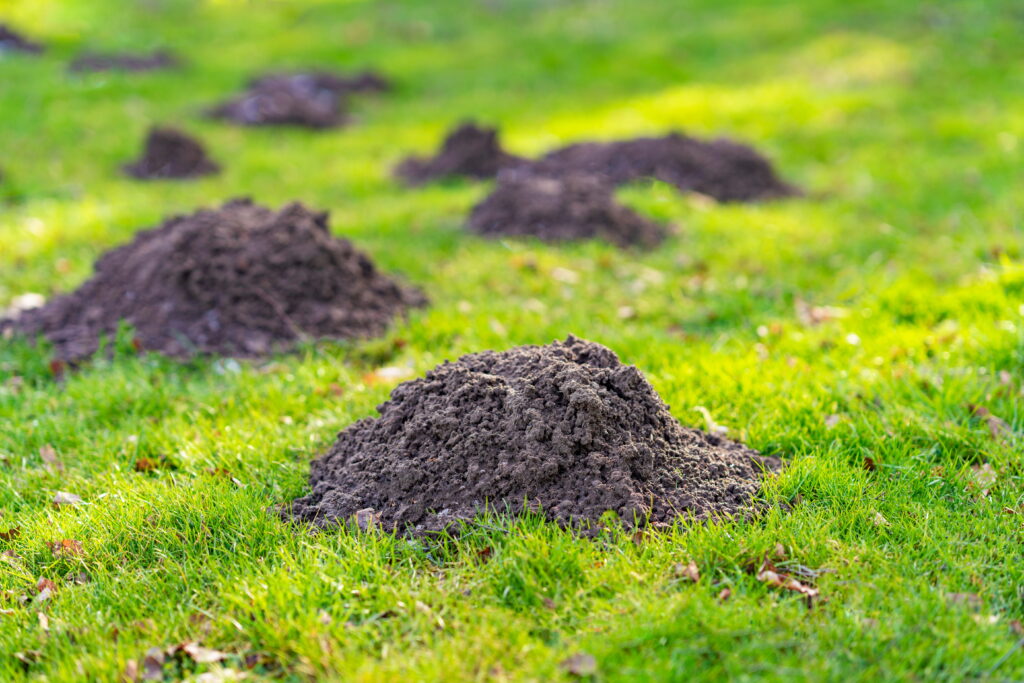
Knowing what to look for in your yard makes early identification straightforward and helps you control moles before the damage spreads.
| Sign | What It Means |
|---|---|
| Fresh mole hills | Small, conical soil piles pushed to the surface during digging often appear in clusters when activity is high. |
| Raised ridges across the lawn | Shallow tunnels are used while moles feed on earthworms and grubs near plant roots. |
| Soft or collapsing ground | Recent digging below the surface has even occurred when no visible mounds have formed yet. |
| Repeated new tunnels in the same area | Ongoing active use across consecutive days rather than abandoned passages. |
| Straight, reused runways | Your most productive targets for trapping and other mole control efforts. |
Active runways are where moles feed most consistently, making them the right place to focus regardless of which control method you use.
What Mole Activity Timing Means for Mole Control
Knowing when moles are most active has direct practical value. Moles consume up to 60 to 100 percent of their body weight in insects, grubs, and earthworms each day, which keeps them moving through active tunnels on a predictable schedule.
Trapping
Mole traps placed in active runways during spring and fall, when surface activity is highest, give the best results. After rain is another strong window, since increased movement raises the chances of a trapped mole.
Reducing Food Sources
Grub control reduces the food supply that draws moles to an area in the first place. Fewer grubs and insects in the soil can discourage moles from staying, though it won’t eliminate an existing problem on its own.
Repellents
Castor oil repellents are widely marketed to drive moles away from treated areas. Results are inconsistent, and they tend to redirect activity rather than resolve it.
Ultrasonic devices and other frightening devices are also commonly sold for mole control, but there is limited evidence that they reliably work over time.
For a closer look at effective strategies, see this guide on effective mole removal methods.
Moles Stay Active Year-Round
Mole damage follows clear cycles tied to soil moisture, temperature, and food availability, with spring and fall bringing peak surface activity and early morning and evening being the busiest daily windows. Recognizing these patterns helps homeowners prevent moles from taking hold and act before unsightly mounds and damaged root systems spread across their outdoor spaces.
Frequently Asked Questions
How many moles usually cause damage in my yard?
Usually just one or two. Moles are solitary animals that defend their territory, so even an extensive network of mole tunnels is typically the work of a single eastern mole. Mole population density can increase in food-rich soil, but one mole remains the most likely culprit in most yards.
How do I tell the difference between active and inactive mole runways?
Press down a raised ridge with your foot and check the next day. If moles push the soil back up, the tunnel is currently in use. Flat, sunken mole runs that don’t rebound are likely abandoned. Focus trapping efforts on tunnels that show fresh soil disturbance and consistent reuse.
What actually works to get rid of moles?
Trapping in tunnels that show regular use is the most reliable method. Grub control reduces the food supply and can deter moles over time. Castor oil repellents produce inconsistent results. Before acting, confirm you’re dealing with moles and not pocket gophers or meadow voles, as the damage and solutions differ.