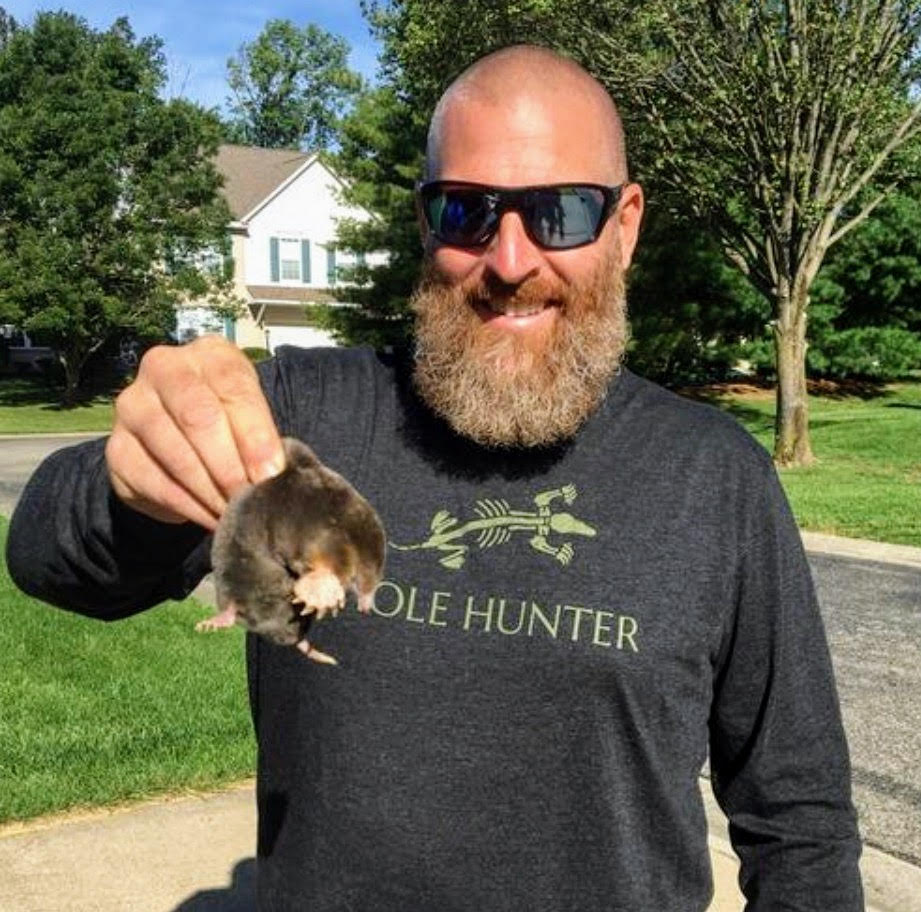
Yes, there are natural predators of moles. Hawks, owls, foxes, coyotes, and even pets will catch moles on occasion. That sounds promising when mole mounds and raised ridges are tearing up your lawn.
The problem is simple. These animals spend almost their entire lives underground. According to Penn State Extension, they have only a few predators because of their secluded subterranean life, and most properties support just two or three per acre.
When moles surface, it’s brief, usually around dawn or dusk, and only to push up soil or expand their own tunnels; their eyesight barely functions beyond detecting that light, which is exactly why they retreat underground so fast.
If you are hoping wildlife will handle the problem for you, it typically ends with more waiting and more damage, which is why most homeowners eventually seek out proven strategies for eliminating subterranean pests.
Animals That Eat Moles in Ohio
Moles have natural predators, but relying on them to solve a yard problem rarely works. In Southwest Ohio neighborhoods like Loveland, Mason, and Cincinnati, the most common local predators simply don’t hunt often enough underground to make a measurable dent in an active mole population.
Birds of Prey

Owls, hawks, and herons are natural hunters that occasionally catch one near the soil surface. But a single catch doesn’t reduce mole activity across a yard. Red-tailed hawks and great horned owls hunt from above. Barn owls work at night. None can reach animals that spend their entire lives underground.
Foxes and Coyotes
Do foxes eat moles? They catch them, but seldom eat what they catch. These underground creatures excrete a musky secretion from scent glands that makes them unpalatable. In one experiment, three of four fox cubs buried what they were given rather than eating it.
Foxes are opportunistic. Their feeding habits lean toward mice, small rabbits, and other surface-dwelling rodents, which often prompts confusion when property owners try to determine the differences between various tunneling yard pests. Coyotes will also take one on occasion, but neither species puts a dent in mole populations. Attempting to attract wild mammalian predators creates its own risks, including threats to pets.
Tunnel Hunters Like Weasels, Badgers, and Snakes
Some predators enter the underground world directly. Weasels and badgers fit inside burrow systems. Certain species of snakes, including garter and king snakes, slip into underground tunnels or wait at entrances. These natural hunters help in wild settings. In suburban yards, their numbers are too low to matter.
Domestic Cats and Dogs
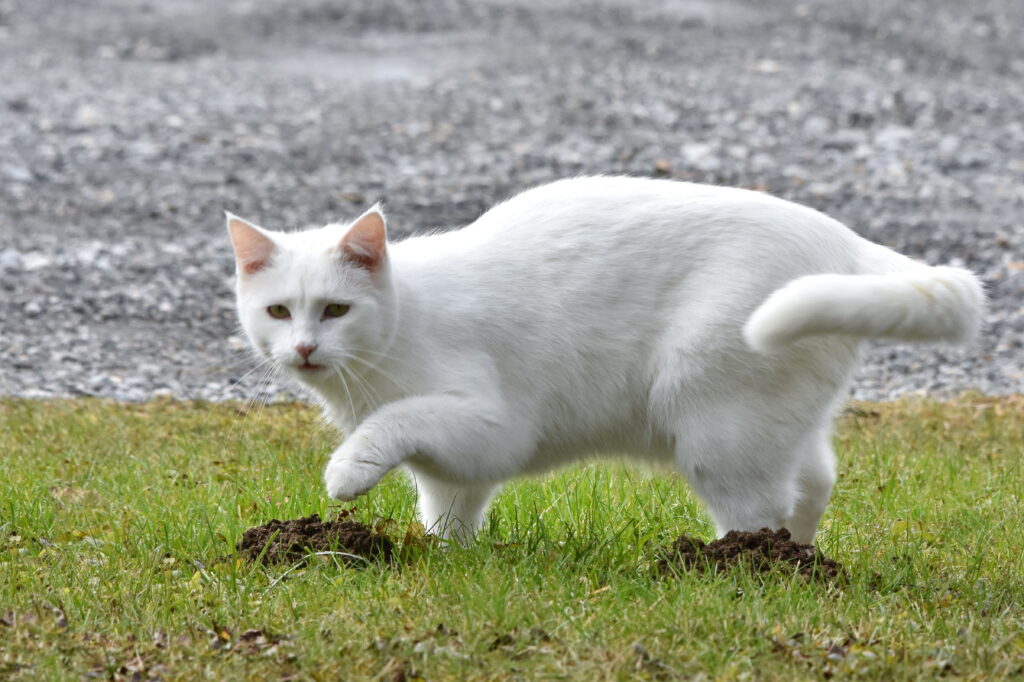
Cats catch moles by reacting to movement in shallow mole tunnels. Certain dog breeds, especially terriers, dig after them with keen senses and strong instincts.
Pets usually produce a dead mole, but don’t eat it. That same musky secretion that repels foxes works on domestic animals, too. Both the Townsend mole of the Pacific Northwest and the Eastern species in Ohio trigger this rejection. Young moles near the surface are easier targets, but pets kill moles without making a dent.
Why Natural Predators Don’t Control Mole Populations
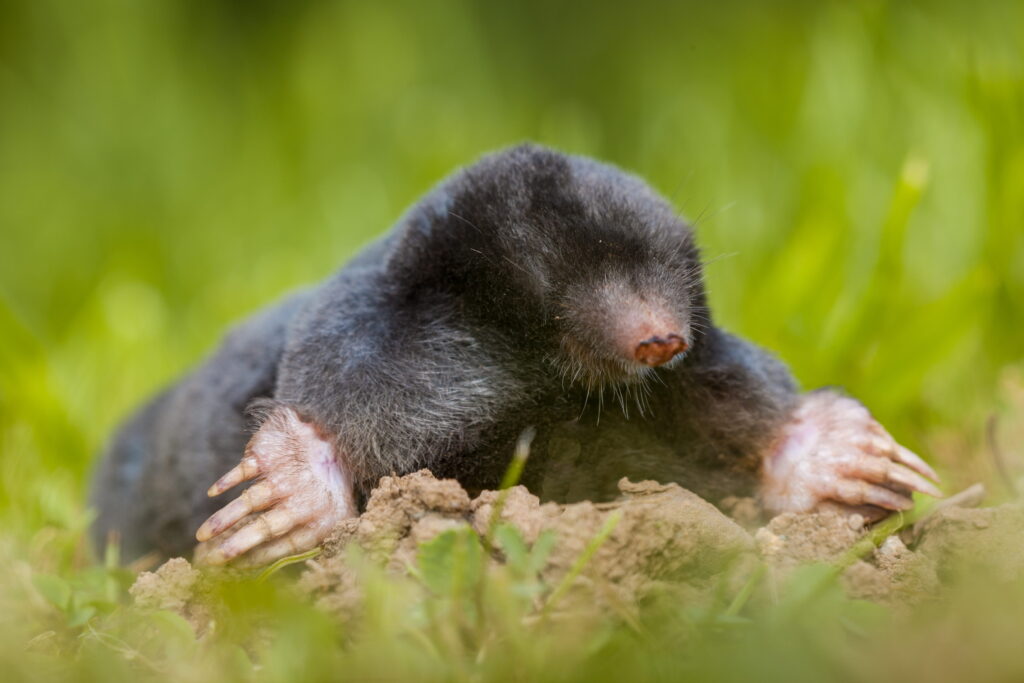
They Spend Their Time Underground
These animals build complex tunnel systems with deep and shallow sections. Deep tunnels serve as the main tunnel network for travel, nesting, and protection. Shallow tunnels sit just below the soil surface, providing a perfect hunting ground to satisfy their voracious appetite for underground insects and worms. A single mole consumes 70 to 100 percent of its body weight each day. That’s the only window predators get, and it closes quickly.
Natural Hunters Are Opportunistic
Wild predators don’t patrol your yard. They go after whatever is easiest. Even with several mole predators present, they’ll catch one at best. Another animal moves into the same system quickly, especially where root systems are strong. Moles prefer loose, grub-rich soil, and they’ll keep tunneling whether predators are nearby or not.
They Are Not Appealing to Eat
Beneath their velvety fur, these animals have scent glands that release a strong odor. Predators kill them and leave them behind. Over time, they learn to ignore these underground creatures and focus on better food sources. This limits any lasting impact on mole activity.
Low Numbers in Residential Areas
In natural environments, diverse predators help maintain a natural balance. In residential areas, there aren’t enough. Even when wildlife is present, you will continue to see distinctive mounds of excavated dirt and surface damage spreading across the lawn. Unlike garden pests above ground, these animals live below it, where toxic gases and treatments can’t reach them. Rich, well-watered soil will encourage moles to expand, not leave.
Moles feed on organic matter, grubs, and worms, and that food supply won’t run out in a healthy lawn. Soil aeration happens as a byproduct of tunneling, but it doesn’t offset the damage to turf and root systems.
What About Dogs That Hunt Moles?
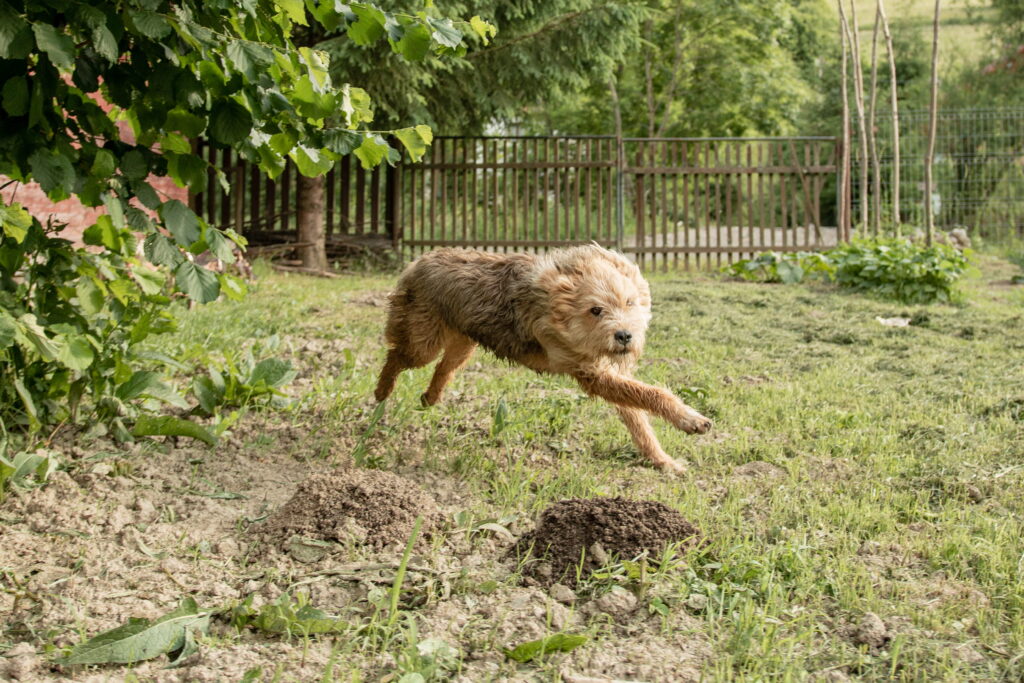
Dog breeds such as terriers dig after them, but they damage lawns, rip through roots, and wreck irrigation. A dog may catch a single mole, but the tradeoff isn’t worth it.
There’s also a safety concern regarding both the physical traps and the wildlife itself, leaving some pet owners wondering if these cornered wild mammals pose a risk to curious dogs. Mole traps are one of the few reliable ways to control the problem. These traps sit inside active mole runs and use strong spring pressure. A digging dog can trigger a trap and get injured. Dogs and mole traps don’t mix. Flag every location and supervise pets closely.
Natural Predators vs. Real Mole Control
| Method | How it works | Result |
|---|---|---|
| Natural predators | Occasional surface hunting | Very low impact on subterranean life |
| Domestic dogs | Digging into tunnels and chasing | Low impact, will damage the yard |
| Ultrasonic devices or toxic gases | Vibration or vapor through underground tunnels | Not an effective deterrent |
| Wire mesh barriers (not barbed wire) | Buried vertically, using nesting material as fill | Slows expansion but won’t stop it |
| Mole traps | Target the main tunnel and active mole runs | High success when placed correctly |
Predators play a role in natural control and help maintain a delicate balance over time. Even a yard with many moles won’t attract enough natural hunters to solve it. Utilizing reliable physical capture devices works because the mechanisms go right where the animals live, inside the burrow systems. That’s why they remain the standard among humane mole control methods.
The Honest Takeaway
Natural predators of moles exist. They contribute to the food chain. What they cannot do is act as a strategy for active control.
Fresh mole mounds or ongoing soil movement mean the problem won’t fix itself. Not sure what you’re dealing with? Learn the signs of moles in your yard.
If you’re dealing with moles in Ohio, especially around Cincinnati, a free inspection is the fastest way to understand what’s happening. No commitment.
Jeff Cooper and The Mole Hunter have spent over 25 years providing hands-on, professional intervention to thousands of properties across the Cincinnati area. Every job uses mole traps only. No chemicals. Safe for pets and kids. 4.9 stars across 138+ Google reviews. Learn more about professional mole control.
Frequently Asked Questions
What eats moles the most?
Owls, hawks, foxes, coyotes, snakes, and pets are the main animals that eat moles. None reduce yard activity to any meaningful degree because these animals spend their time underground, where predators can’t follow.
Do predators follow mole tunnels to hunt them?
Some try. Weasels and snakes can enter shallow sections of a burrow system. Most predators cannot access the deeper tunnels. Success depends on catching one near the surface.
Can natural predators get rid of moles completely?
No. Predators help maintain balance, but cannot eliminate them. Moles feed on soil insects and earthworms and will keep tunneling as long as conditions suit them. Active damage requires mole traps.